%2Ffit-in%2F250x250%2Fguide_websites%2F73047%2Fimages%2F1768881606106gemini_generated_image_vavs3fvavs3fvavs-removebg-preview.png&w=1920&q=100)
/users/0b4138c6-0e02-4ca5-bfec-d23557b013c9/ratecard/492026897_2481715035501570_2103872710559716100_n-mkm0cky8.jpg)
%2F300x300%2Fusers%2F0b4138c6-0e02-4ca5-bfec-d23557b013c9%2Fratecard%2F492026897_2481715035501570_2103872710559716100_n-mkm0cky8.jpg&w=256&q=75)
%2F300x300%2Fusers%2F0b4138c6-0e02-4ca5-bfec-d23557b013c9%2Fimages%2Fgreat-fishing-oregon-2435.jpg&w=256&q=75)
%2F300x300%2Fusers%2F0b4138c6-0e02-4ca5-bfec-d23557b013c9%2Fimages%2Foregon-fishing-expedition-2645.jpg&w=256&q=75)
%2F300x300%2Fusers%2F0b4138c6-0e02-4ca5-bfec-d23557b013c9%2Fimages%2Famazing-salmon-trout-catch-portland-2723.jpg&w=256&q=75)
%2F300x300%2Fusers%2F0b4138c6-0e02-4ca5-bfec-d23557b013c9%2Fimages%2Ffishing-adventure-in-or-2679.jpg&w=256&q=75)
%2F300x300%2Fusers%2F0b4138c6-0e02-4ca5-bfec-d23557b013c9%2Fimages%2Fchinook-salmon-portland-fishing-2758.jpg&w=256&q=75)
%2F300x300%2Fusers%2F0b4138c6-0e02-4ca5-bfec-d23557b013c9%2Fimages%2Fchinook-salmon-portland-fishing-2498.jpg&w=256&q=75)
%2F300x300%2Fusers%2F0b4138c6-0e02-4ca5-bfec-d23557b013c9%2Fimages%2Ffishing-in-portland-2456.jpg&w=256&q=75)
%2F300x300%2Fusers%2F0b4138c6-0e02-4ca5-bfec-d23557b013c9%2Fimages%2Flone-angler-fishing-oregon-2607.jpg&w=256&q=75)
%2F300x300%2Fusers%2F0b4138c6-0e02-4ca5-bfec-d23557b013c9%2Fimages%2Fbest-great-coho-salmon-fishing-2495.jpg&w=256&q=75)
%2F300x300%2Fusers%2F0b4138c6-0e02-4ca5-bfec-d23557b013c9%2Fimages%2Fbest-great-fishing-portland-2499.jpg&w=256&q=75)
Columbia Willamette Salmon Fishing JTs NW Guide
 Oregon
What you will be catching:
 Chinook Salmon
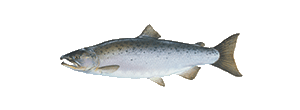 Coho Salmon
 Pink Salmon
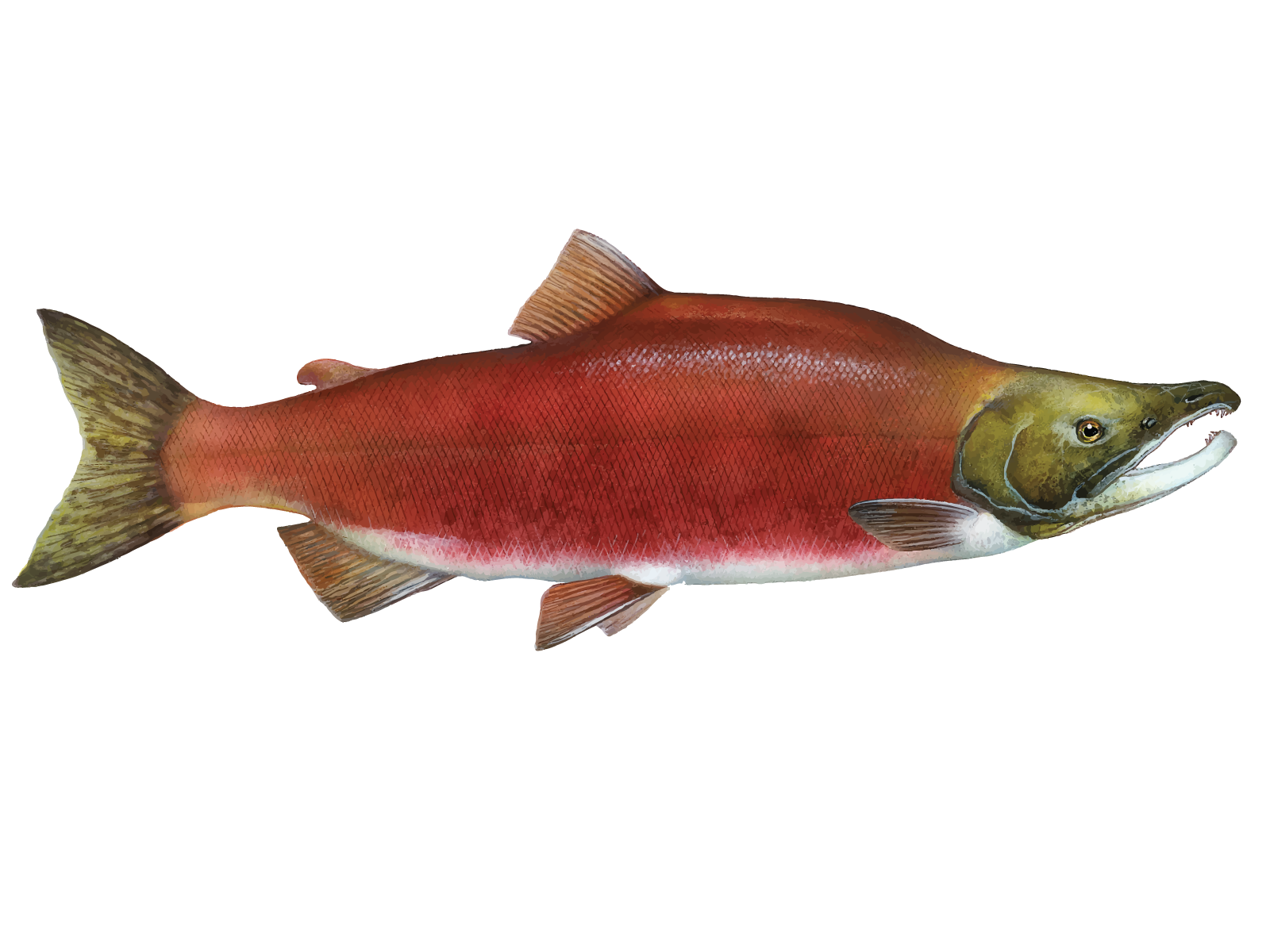 Sockeye Salmon
 White Sturgeon
- 6-hour guided salmon fishing on Columbia and Willamette Rivers
- All equipment included with daily 6 AM launch from 28-foot boat
- Small groups maximum 4 people for personalized fishing experience
Trip Pricing and Availabilities:
Columbia & Willamette River Salmon Charter
Picture yourself casting into some of Oregon's most productive salmon waters at first light, with the mist still rising off the Columbia and Willamette Rivers. That's what you get with JT's NW Guide Service – a proper 6-hour salmon fishing adventure that starts at 6:00 AM when the fish are most active. Whether you've never held a fishing rod or you're the type who knows exactly which lure to tie on, this trip delivers the goods. We're talking about targeting the Pacific Northwest's legendary salmon runs on our spacious 28-foot boat, with all the gear provided and room for up to four people in your group.
What to Expect on the Water
Your day begins before sunrise because that's when salmon fishing really shines. We launch into waters where the Columbia and Willamette Rivers converge, creating a perfect storm of currents and nutrients that draw salmon like a magnet. The 28-foot vessel gives everyone plenty of room to fish comfortably without bumping elbows, and the early morning departure means you'll experience the river at its most peaceful and productive. Don't worry about bringing anything – we've got top-rated rods, reels, tackle, and fresh bait ready to go. The beauty of this setup is that beginners get the same quality equipment as seasoned anglers, leveling the playing field for everyone on board. You'll spend six solid hours working these renowned salmon waters, moving between the best spots as conditions change throughout the morning and afternoon.
Techniques & River Strategy
Salmon fishing on these rivers is all about reading the water and adapting your approach. We primarily use trolling techniques with downriggers to get your bait down to where the fish are holding, typically 15 to 40 feet deep depending on the season and species we're targeting. The Columbia River's main channel offers deeper water and stronger currents, perfect for Chinook salmon that like to hug the bottom structure. Meanwhile, the Willamette provides shallower runs and back eddies where Coho salmon often stage before moving upstream. We switch between herring, spinners, and plugs based on what's working that day – sometimes the fish want something flashy, other times they prefer a more subtle presentation. The key is staying mobile and adjusting our depth and speed until we find that sweet spot where the salmon are feeding. Our fish finder technology helps locate schools, but it's the local knowledge of seasonal patterns and river behavior that really makes the difference between a good day and a great one.
Top Catches This Season
The Chinook salmon, or "King" salmon as most folks call them, are the crown jewel of this fishery. These bruisers can push 30 pounds or more and they fight like they mean it, making long runs that'll test your drag system. Peak season runs from late spring through early fall, with the biggest fish typically showing up in August and September. What makes Chinook special here is how they use the deeper channels of the Columbia – they're structure-oriented fish that relate to ledges and drop-offs, giving us specific spots to target rather than just trolling blind water. When you hook into a mature King, you'll understand why anglers travel from across the country to fish these waters.
Coho salmon bring a completely different energy to the trip. These acrobatic fighters average 8 to 12 pounds but make up for their smaller size with spectacular jumps and blistering runs toward the surface. They're most active during the summer months, particularly July through September, and they love the transition zones where faster water meets slower pools. Coho are aggressive feeders, often hitting lures with authority that'll nearly pull the rod out of your hands. They're also excellent eating, with firm, flavorful meat that's perfect for grilling or smoking.
Sockeye salmon offer something unique – they're primarily plankton feeders, which makes them trickier to catch but incredibly rewarding when you connect. These fish run smaller, typically 5 to 8 pounds, but they're built like torpedoes and fight with surprising strength for their size. The limited Sockeye runs usually happen in mid-summer, and when they're around, the action can be fast and furious. Their deep red meat is considered a delicacy, prized by restaurants and home cooks alike.
Pink salmon show up in odd-numbered years, creating a boom-or-bust fishery that keeps things interesting. When the Pinks are running, usually in late summer, you might catch a dozen fish in a morning. They're smaller fish, averaging 3 to 5 pounds, but they make up for size with sheer numbers and willingness to bite. It's the kind of consistent action that's perfect for kids or anyone who just wants to stay busy.
White sturgeon add an unexpected element to these trips. While we're primarily targeting salmon, these prehistoric giants occasionally grab our baits, turning a salmon trip into something completely different. Sturgeon can reach massive sizes – we're talking fish that might be 6 feet long and 100 pounds or more. They're incredible fighters that use their size and the river current to their advantage, often taking 20 or 30 minutes to land. Since most sturgeon are catch-and-release, it's all about the experience of battling one of the river's apex predators.
Time to Book Your Spot
This world-class salmon fishing opportunity books up quickly, especially during peak season when the fish are running strong. The 72-hour refund policy gives you flexibility if the weather doesn't cooperate or plans change, but the best fishing dates fill early. Six hours on the water with all equipment provided, targeting multiple salmon species in two of Oregon's most productive rivers – it's the kind of trip that creates lasting memories and usually leads to booking another date before you even get back to the dock. Whether you're looking to introduce someone to salmon fishing or you're a seasoned angler wanting to experience these renowned Pacific Northwest waters, this charter delivers the goods without the hassle
Learn more about the species
Chinook Salmon
Chinook salmon, the kings of our river system, are what every angler dreams about. These powerhouse fish average 15-30 pounds but can push much bigger. Being light-sensitive, they hug the deeper channels and holes during daylight hours, making early morning and evening your best bets. Spring and fall runs offer prime opportunities on both rivers. Kings are the ultimate prize - their size, strength, and rich red meat make them legendary table fare. They're also incredibly strong fighters that will test your gear. Since they stay deep, you need to get your bait or lure down to them with weight. Here's a guide secret: use a sliding sinker rig with fresh roe or sand shrimp, and fish it right on the bottom in the deeper holes. Kings are methodical feeders, so be patient and keep your bait in the strike zone.
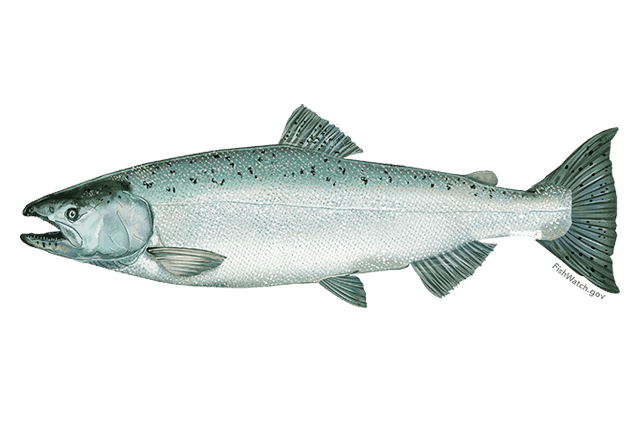
Coho Salmon
Coho salmon, or silvers, are some of the most acrobatic fish in our rivers. These chrome-bright fighters average 8-12 pounds and are known for their aerial displays once hooked. You'll find them in the calmer water near structure - under debris, behind rocks, or in deeper eddies off the main current. Fall runs from September through November offer the best action. What makes coho special is their fighting spirit - they'll jump, run, and test every inch of your drag system. Plus, their bright orange meat is top-shelf eating. They respond well to movement, so twitching jigs in holding water or swinging spinners through runs works great. Pro tip: when a coho jumps, bow your rod toward the fish to keep tension without breaking them off. Their aerial antics are half the fun, but keeping them buttoned up takes practice.
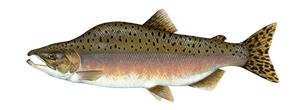
Pink Salmon
Pink salmon, also called humpbacks, are the smallest of our Pacific salmon but make up for size with numbers during odd-year runs. They typically weigh 3-5 pounds and develop that distinctive hump when spawning. These silver bullets prefer cooler water and stay in the main current flows of both rivers. Late summer into fall is peak season when they're pushing upstream. What guests love about pinks is their aggressive nature - they'll hit bright lures hard and provide steady action when the run is on. Their light pink meat is excellent table fare. The key to success with pinks is using bright colors, especially pink jigs or hoochies that mimic the crustaceans they feed on. Work your lure with short, erratic jerks to trigger strikes. They school up tight, so once you find them, the action can be fast and furious.
Sockeye Salmon
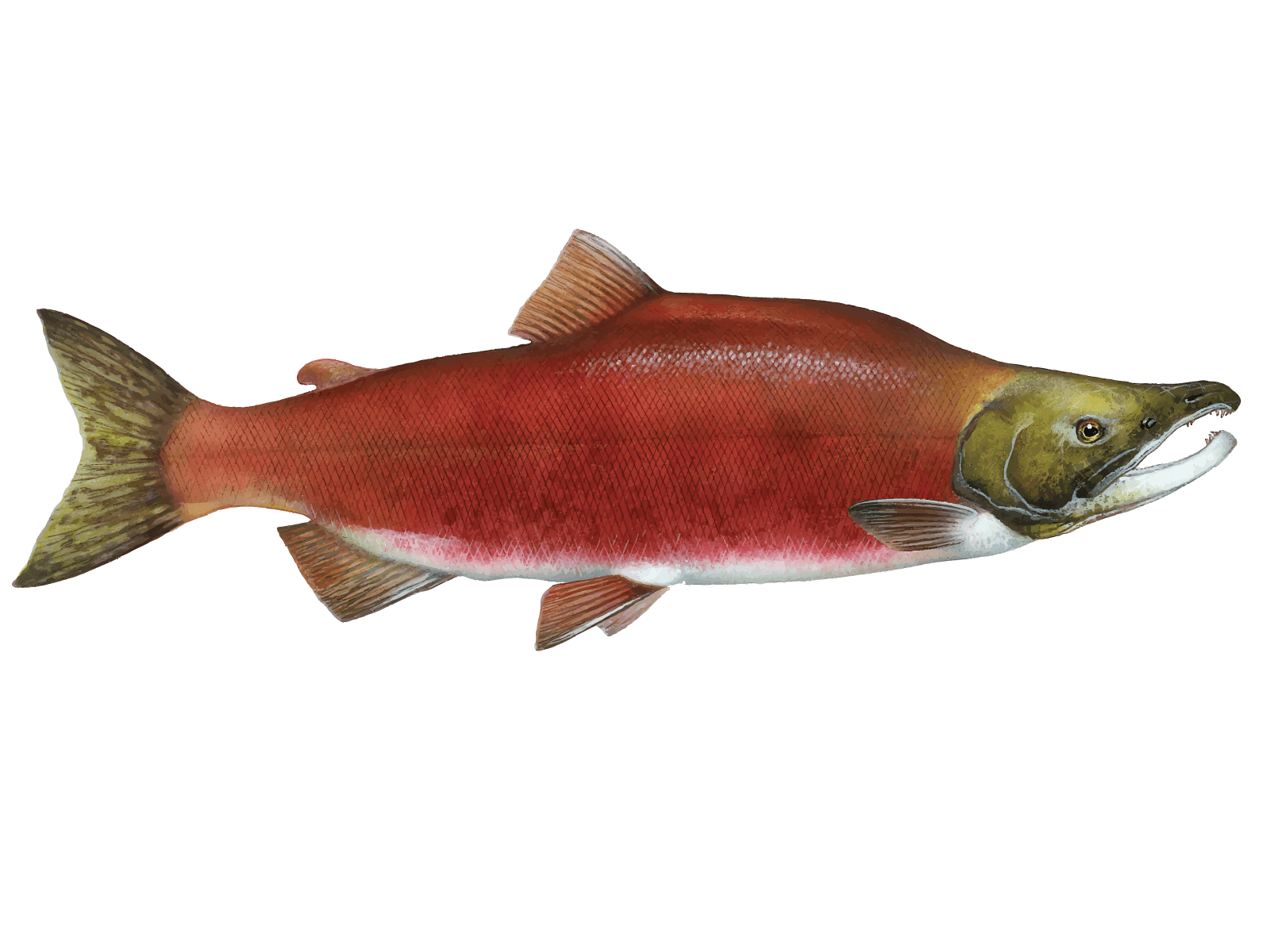
Sockeye salmon are the prize of our Columbia River runs, averaging 4-15 pounds with their distinctive metallic blue-green backs and silver sides. During spawning season from late spring through summer, they turn that famous bright red color with green heads. Unlike other salmon, they lack black spots on their bodies. You'll find them moving through deeper channels and holding in current breaks. What makes sockeye special is their rich, oily flesh - some of the best eating salmon you can catch. They're strong fighters but can be finicky biters. Here's a local tip: when water temps hit 60+ degrees, try smaller bright flies or spinners fished just off the bottom where they're feeding. Their mouths open and close constantly, so timing your hook set right when they commit is key to landing these beauties.
White Sturgeon
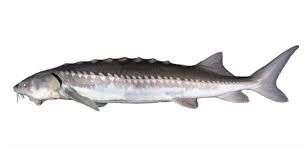
White sturgeon are the giants of our river system - North America's largest freshwater fish. These prehistoric monsters can live over 100 years and reach massive sizes, though most we catch run 3-8 feet. They cruise the deeper holes and channels of both rivers, using their barbels to feel along the bottom for food. Spring through early summer is prime time when they're most active. What draws people to sturgeon fishing is the sheer size potential and their unique prehistoric look with bony plates instead of scales. They're surprisingly gentle biters despite their size. Here's the trick: when you feel that first soft tap, don't set the hook yet. Let them mouth the bait - they'll nibble for a while before committing. Only when you feel steady weight should you reel down and set. Patience wins with these ancient fish.
About the JT's Boat
%2F%2Fusers%2F0b4138c6-0e02-4ca5-bfec-d23557b013c9%2Fvehicle_picture%2F491358173_2474470439559363_750148225595538dd9349_n-mklyizp2.jpg&w=1920&q=75)
Vehicle Guest Capacity: 8
Manufacturer Name: Yamaha
Maximum Cruising Speed: 46
Number of Engines: 2
Horsepower per Engine: 250